
Digital scales
High accuracy: One of the main and most important features of digital scales is their high accuracy. Using advanced electronic technologies and sensitive sensors, these scales offer optimal accuracy in measuring the weight of objects. Their accuracy is usually in grams in small scales and in kilograms in large scales.
Digital screen: These scales usually have a screen that displays the weight of objects accurately and in numbers. These screens are usually equipped with an optical background so that they can be seen in low light conditions. Also, the screen often has the ability to select the unit of measurement, which allows the user to view weights in different units such as grams, kilograms, pounds, etc.
Communication facilities: Digital scales often have communication ports that allow the user to easily connect to computer systems. In this way, the measured weights are automatically recorded and stored in management systems, relevant software and even databases. This feature allows the user to manage the measured data electronically and be more accurate.
Easy calibration: These scales often have easy calibration. This allows the user to perform regular intervals to independently validate and reset the scale's accuracy. In this way, the accuracy of the scale can be kept up to date and deviations and measurement errors can be avoided.
Various features: These scales usually have various features that give the user additional features. These facilities can include data storage, calculation of average weights, comparison of weights with specified notifications, automatic setting of stop and start of the scale, the possibility of software upgrade, etc. These facilities allow the user to benefit from a better experience in measuring weight and the operation of the scale and to do things faster and more accurately.
Applications of digital scales
Industrial Applications
These devices are used in various industries such as packaging industry, food production and distribution, chemical industry, metals and construction materials, agriculture, etc. These scales are used in measuring the weight of raw materials, semi-finished and finished materials, calibrating materials, controlling product quality, and controlling warehouses. Also, in the oil and gas and transportation industries, these scales are used to measure the weight of oil and gas tanks and cargoes.
Commercial applications
Digital scales play a very important role in the store industry and business. These scales are widely used as store equipment and wholesale markets. These scales are used to measure the weight of various products such as fruits, vegetables, edibles, store goods, etc. Digital commercial scales are effective in optimizing sales processes and product inventory management due to their high accuracy, measurement speed, ability to connect to management systems and automatic information recording.
Medical Applications
Home Applications
Digital scales also have various uses in the home environment. These scales are used as household tools to measure the weight of small objects such as fruits, vegetables, food and even pets. These types, with high accuracy, digital display and the possibility of easy and user-friendly use, allow users to measure the weight of their household objects accurately and quickly. Also, some digital home scales are also used as baby feeding scales, which allow parents to measure children's weight accurately and regularly with high accuracy and the possibility of calibration.
Types of digital scales
Basic scales
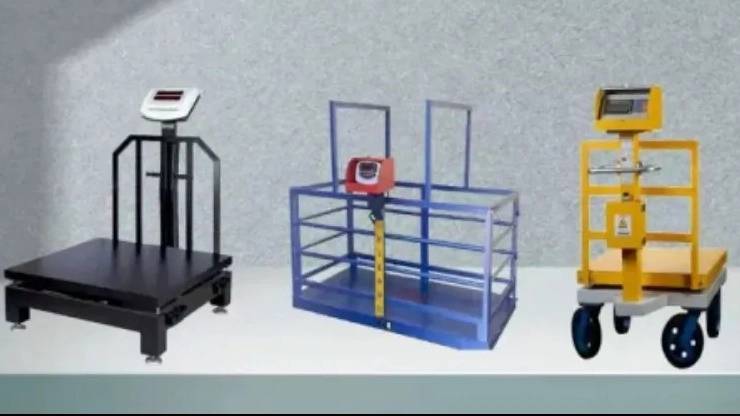
One of the most common types of digital scales are those that are fixed on a platform or surface. These scales are widely used due to their high accuracy and the possibility of working in industrial, production and commercial environments. Base scales, with the ability to connect to computer systems and have a digital screen, allow users to accurately and quickly measure the weight of objects and store and manage information electronically.
Basque pendant
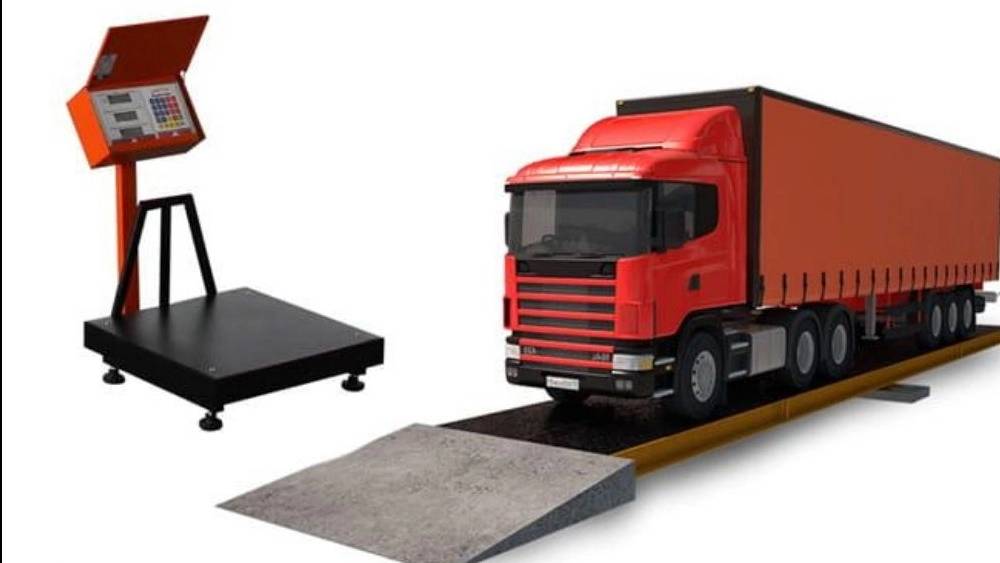
These scales are usually used to measure the weight of fleets of vehicles such as trucks, buses and public transport fleets. Due to their high load capacity and proper accuracy, digital hanging scales are suitable for measuring the weight of heavy loads and large shipments.
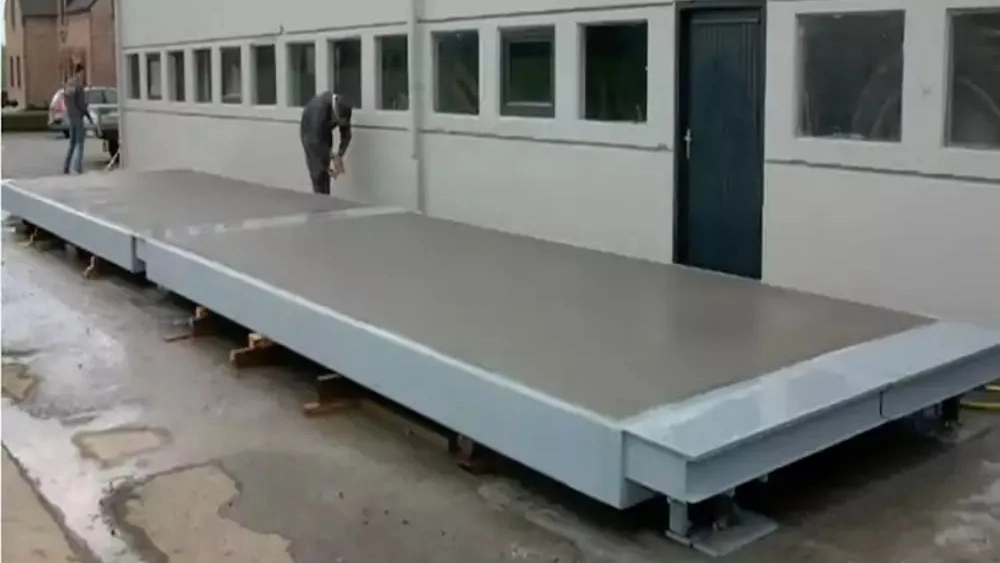
Road scroll
Road scales, or input and output scales, are industrial scales that are used to measure the input and output weights of warehouses, containers, and storage areas for various materials. With the ability to work in dry and wet environments and with the ability to bear heavy loads, these scales are attracted by industries and transport companies. Also, digital step scales, with the ability to connect to management systems and record weights automatically, serve as an important tool in inventory control and warehouse management.